



Location: Istituto di Intelligenza Meccanica – Scuola Superiore Sant’Anna
Lab head: Tenure Track Assistant Professor Alessandro Filippeschi
Contact: a.filippeschi@santannapisa.it
Lab Team


Lab Mission
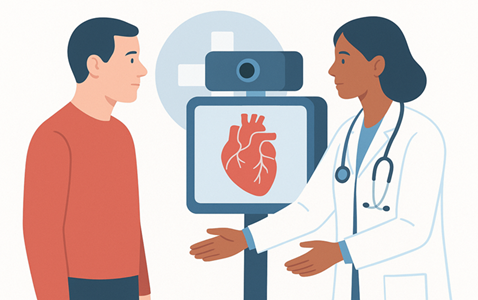
As part of Work Package 4 (WP4), SAPIO laboratory contributes to the development of BioRobotics platforms, contributing to the Good Health and Well-Being SDG.
The goal of SAPIO laboratory is to enable the creation and evaluation of early diagnosis tools for diseases with a high social impact, such as heart failure, that can be used on a large scale by low-skilled personnel. Therefore, the hardware of the devised solutions must be low-cost, easy to install, and user-friendly. At the same time, sophisticated equipment is necessary to label and validate the designed solutions. Artificial Intelligence (AI) algorithms with adequate levels of accuracy and precision can be trained on datasets created for diagnosis support systems.
The main assets of this facility include:
- a distributed capture system that combines RGB-D sensors and thermal scanners for a fine 3D reconstruction of the human body geometry, and of its thermal and chromatic properties.
- instruments for medical examination, such as a sonographer, ECG, GSR, pulse oximetry, and bioimpedance measurement.
- a robotic arm, a haptic interface, visualization tools, and auditory feedback tools to realize a remote examination system.
Devices
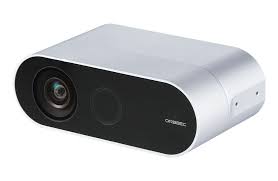
Femto Bolt- ORBBEC
Femto Bolt is a compact, high-performance device with multi-mode Depth and RGB cameras and USB-C connection for power and data. The depth camera uses Microsoft’s industry-proven ToF technology and has identical operating modes and performance as the Microsoft Azure Kinect and Orbec Femto Mega. Its versatility and price make it attractive for AI developers for 3D vision applications.
Camera Features
- Depth camera with 1 Mega Pixel ToF sensor and 120° FOV
- Up to 15fps at 1024×1024 or 30fps at 640×576 depth resolution
- 4K RGB with HDR
- 6DoF IMU
- USB Type-C 3.2 for power and data
- Sophisticated and accurate synchronization trigger control for multi-sensor network
Data sheet: download
Note: N/A
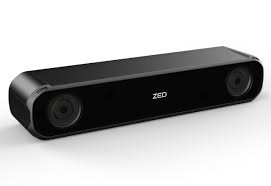
ZED X – StereoLabs
The ZED X is an advanced AI stereo camera for robotics and spatial perception.
Camera Features
- 2.3MP Color Global shutter sensor
- Resolution: 2 x (1920×1200) @60fps
- High accuracy depth perception from 0.2 to 20m (2.2mm lens), 1.0 to 35m (4mm lens)
- Built-in industrial IMU
- IP67 certified
- Multi-camera hardware synchronization and trigger through GMSL2.
- Secure GMSL2 connection with power
Data sheet: download
Note: N/A
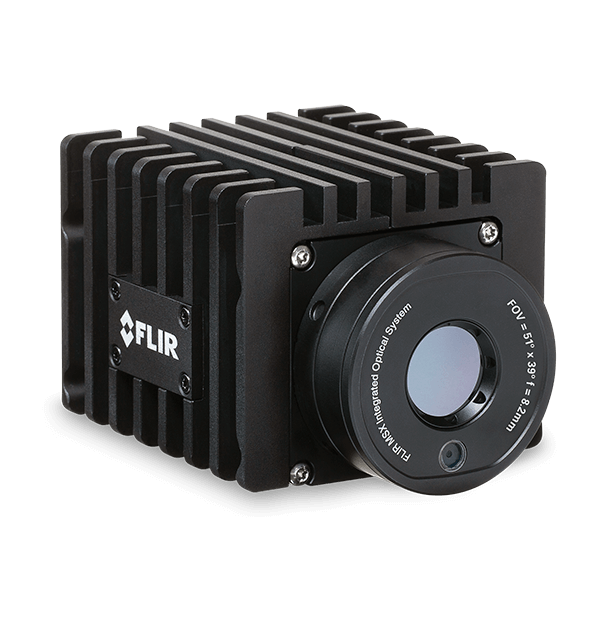
FLIR A70
The FLIR A70 intelligent sensor thermal imaging camera is ideal for users who want integrated analytics and notification capabilities for condition monitoring and early fire detection. With Wi-Fi options and a built-in camera, it is a flexible and configurable solution that meets the unique needs of automation customers across a wide range of industries.
Data sheet: download
Note: N/A
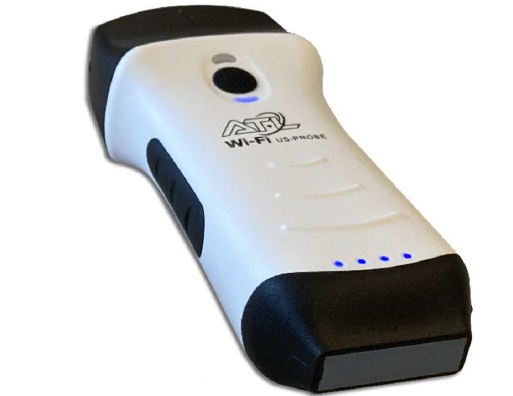
CERBERO 4.0 B-MatrixSound – ATL
ATL Wireless Handheld Ultrasound Probe CERBERO 4.0 B-MatrixSound uses two types of connection – WiFi and USB – with a cable. It works with a mobile app compatible with most iOS, Android, and Windows devices, and can also be connected with a Type-C cable.
Image transmission is via internal Wi-Fi 5G, and no networks are required. Its compactness and ease of transport make it possible to use it anywhere and allow medical personnel to make a bedside, home, and hospital diagnosis.
Data sheet: download
Note: N/A
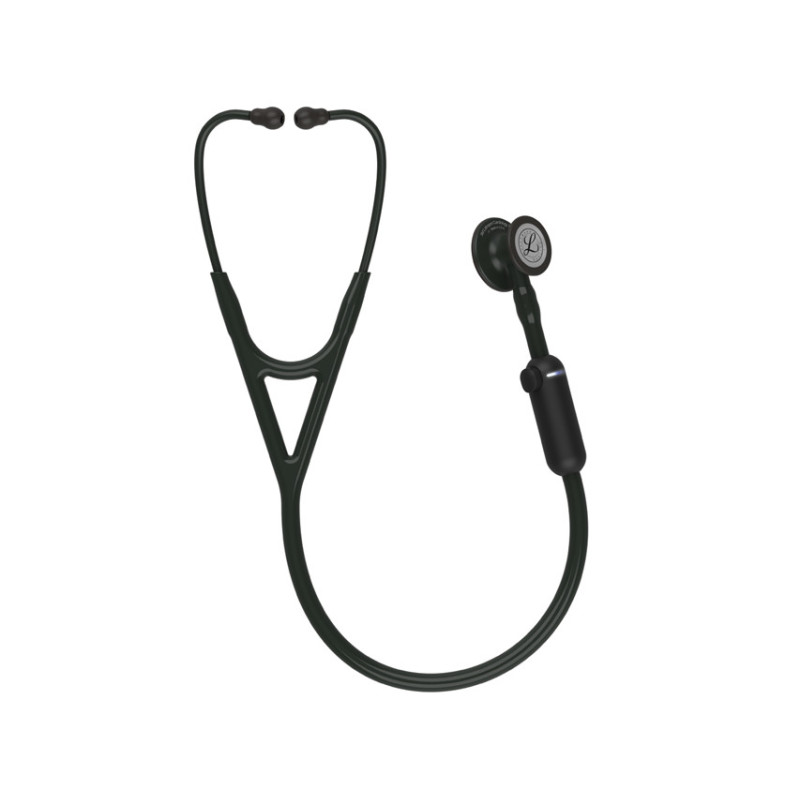
3M™ Littmann® CORE Digital Stethoscope
The Littmann CORE Digital Stethoscope provides up to 40x the amplification at peak frequency, when compared with the analogue mode.
Key features
- Active noise cancellation
- Multiple listening modes
- Bluetooth® wireless connectivity
Data sheet: download
Note: N/A
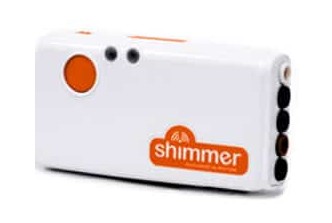
Shimmer3 ECG/Ebio
The Shimmer3 ECG/Ebio unit features a configurable digital front-end, optimized for the measurement of physiological signals, for measuring ECG or to monitor Bioimpedance (Ebio). It records the pathway of electrical impulses through the heart muscle (ECG) or the electrical impulses from across the chest (Ebio), and can be recorded on resting and ambulatory subjects, or during exercise to provide information on the heart’s response to physical exertion.
Shimmer3 ECG/Ebio sensor can provide indications of respiration rate, respiration volume, and fluid in the lungs.
Data sheet: download
Note: N/A
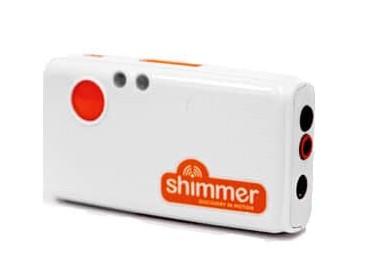
Shimmer3 GSR+
The Shimmer3 GSR+ (Galvanic Skin Response) unit provides connections and preamplification for one channel of GSR data acquisition (Electrodermal Resistance Measurement (EDR)/Electrodermal Activity (EDA)). The GSR+ unit is suitable for measuring the electrical characteristics or conductance of your skin, as well as capturing an Optical Pulse/PPG (Photoplethysmogram) signal and converting to estimate heart rate (HR), using the Shimmer ear clip or optical pulse probe.
Data sheet: download
Note: N/A
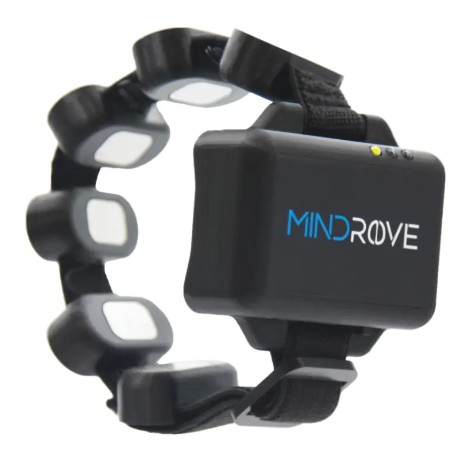
Mindrove Armband/Legband
EMG-based armband and legband for detecting muscle movements and exploring gesture recognition.
Key features
- 8 EMG channels
- sampling rate: 500 SPS
- amplification: 12
- resolution: 24 bit
- bandwidth: 0-250Hz
- 6 DoF IMU
- connection: Wi-Fi
Data sheet: download
Note: N/A
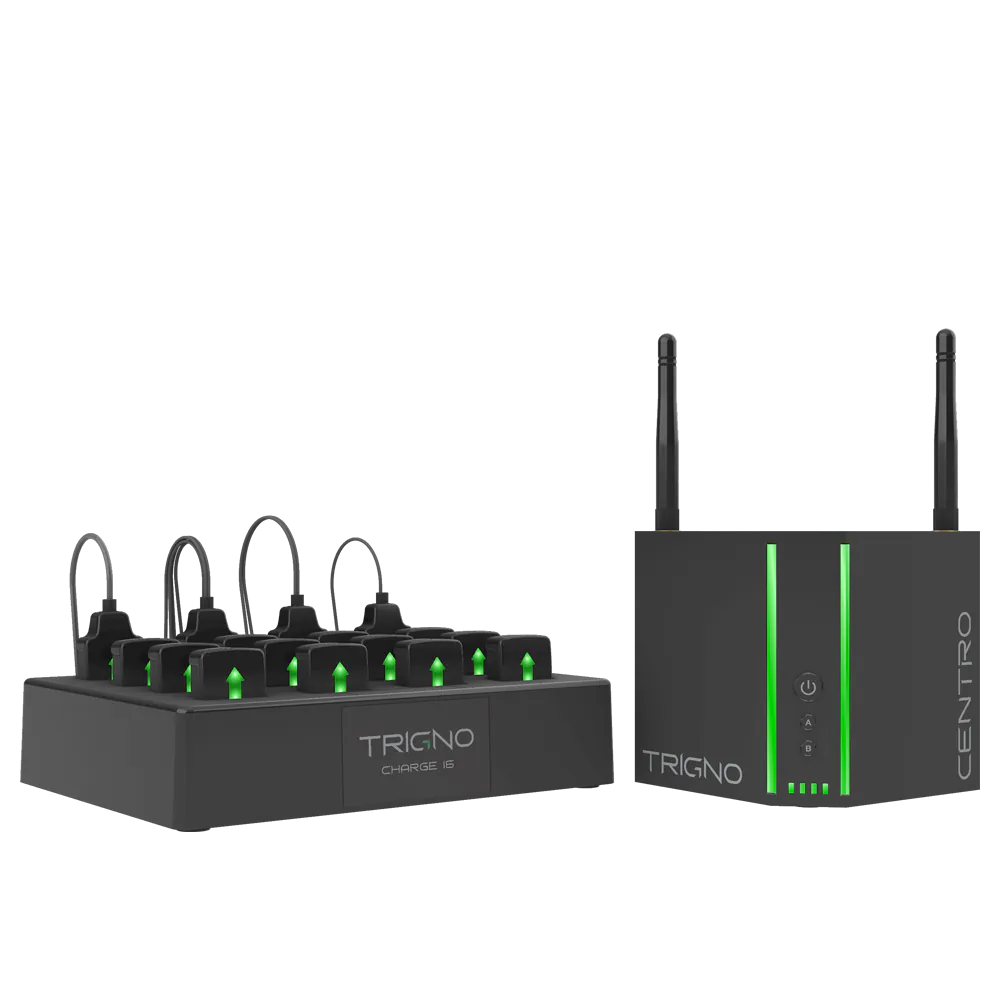
Trigno System
Trigno System is composed of 16 EMG Trigno Avanti sensors, which wirelessly capture muscle activity. They are light and thus provide ultimate flexibility for unrivalled access to high precision EMG and IMU data across multiple application areas where data quality and ease of use are essential. The Trigno System includes the Trigno Centro, which extends the wireless range and enhances integration possibilities.
In the engineering field, it can be used to harness the myoelectric signal to create natural, intuitive, and responsive interfaces for robotic control. In clinical research, they can be used for rehabilitation biomechanics, investigating motor control abnormalities, and gait analysis.
Data sheet: download
Note: N/A
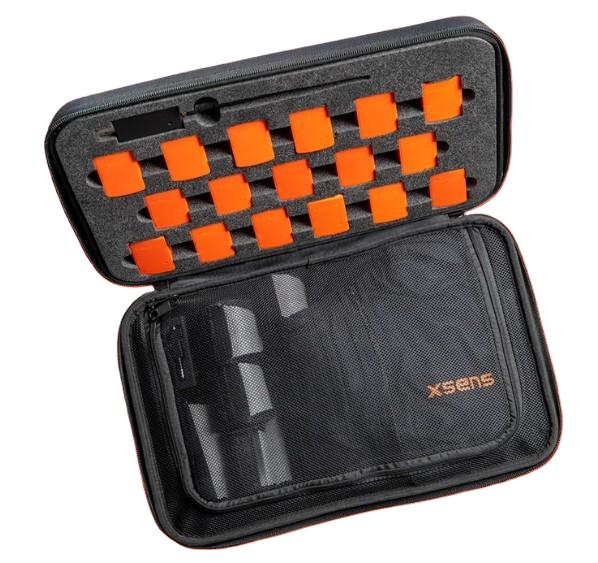
Xsens Link
Xsens Link is a motion capture system with 17 wireless sensors fitted on the body with adjustable straps. It supports fast, easy, and reliable motion capture, making it ideal for regular motions and multiple actors using the same setup. With a range of up to 50 m, it can be used in a wide variety of applications, including occupational health and safety, rehabilitation and injury prevention, animation, entertainment, biomechanical science, and human factor research. Plus, it can be worn over clothing.
Data sheet: download
Note: N/A
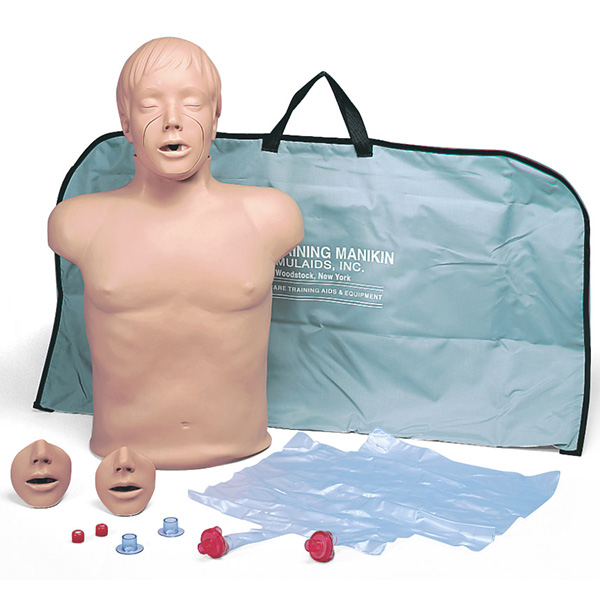
Torso Mannequin
Adult torso mannequin made of a foam core covered with soft, lifelike synthetic material.
Key features
- The long torso allows for realistic pressure on the upper abdomen (Heimlich maneuver)
- Natural head tilt and chin lift to clear the airway
- Anatomical landmarks such as the sternum, rib cage, and xiphoid
Note: N/A
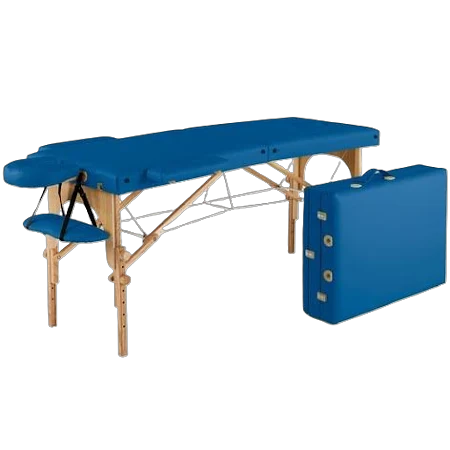
Folding suitcase-style table
Professional folding suitcase-style table featuring a solid wood bench frame, with steel compasses and hinges. Easily maneuverable and durable. Perfect for medical applications.
Note: N/A
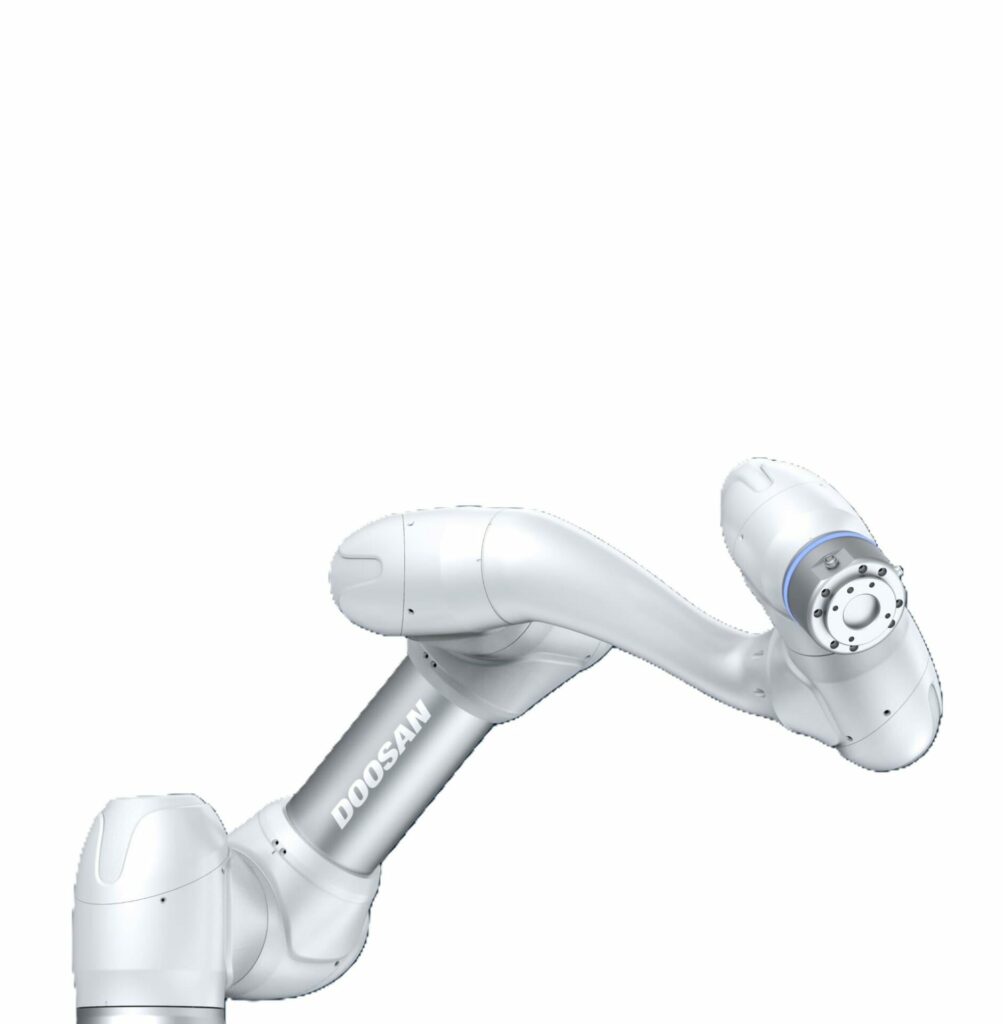
Doosan Robots – M0609
Highly dexterous collaborative robot with 6 high-performance torque sensors in each of its axes, capable of not only detecting fine force fluctuations but also delivering the best collision sensitivity for complete safety.
Key features
- Payload: 6 Kg
- Reach: 900 mm
- Repeatibility: +-0.03 mm
Data sheet: download
Note: N/A
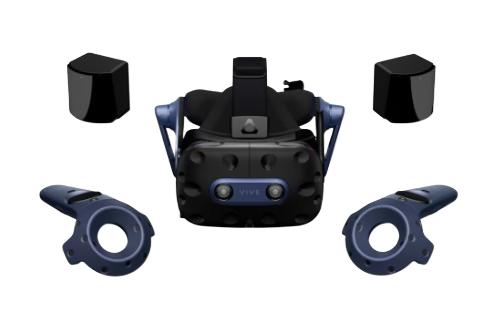
Vive Pro 2 Full Kit
The Vive Pro 2 Full Kit includes the VIVE Pro 2 Headset and two controllers to deliver the potential of Virtual Reality in diagnosis and treatment.
Key features
- Resolution: 5K
- FoV: 120˚
- Refresh rate: 120Hz
- headphones
Data sheet: download
Note: N/A
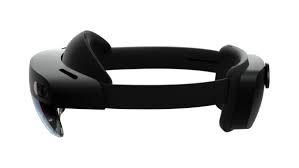
HoloLens 2
The Microsoft HoloLens 2 Development Edition supports popular Augmented Reality (AR) development platforms for creating mixed reality experiences. AR in healthcare superimposes digital information, like 3D models, patient data, and surgical guides, onto a user’s real-world view through The HoloLens 2 glasses, enhancing medical training, diagnostics, and surgical procedures.
Data sheet: download
Note: N/A